 +61 0475 578 293
  stanjonescontracting@gmail.com

🌧️ How Heavy Rainfall Can Destabilise Trees in FNQ
What Innisfail, Mission Beach & Cassowary Coast Property Owners Need to Know
Far North Queensland is known for its intense rainfall, especially through the wet season. While the rain keeps our landscapes lush and thriving, large quantities of water can place enormous stress on trees, often leading to dangerous failures.
At LSF Tree & Vegetation Services, we regularly attend jobs across Innisfail, Tully, El Arish and Mission Beach where heavy rain has compromised tree stability — sometimes without any visible warning.
Here’s what homeowners and property managers should understand about how rain affects trees in our region.
🌧️ 1. Waterlogged Soil Weakens Tree Stability
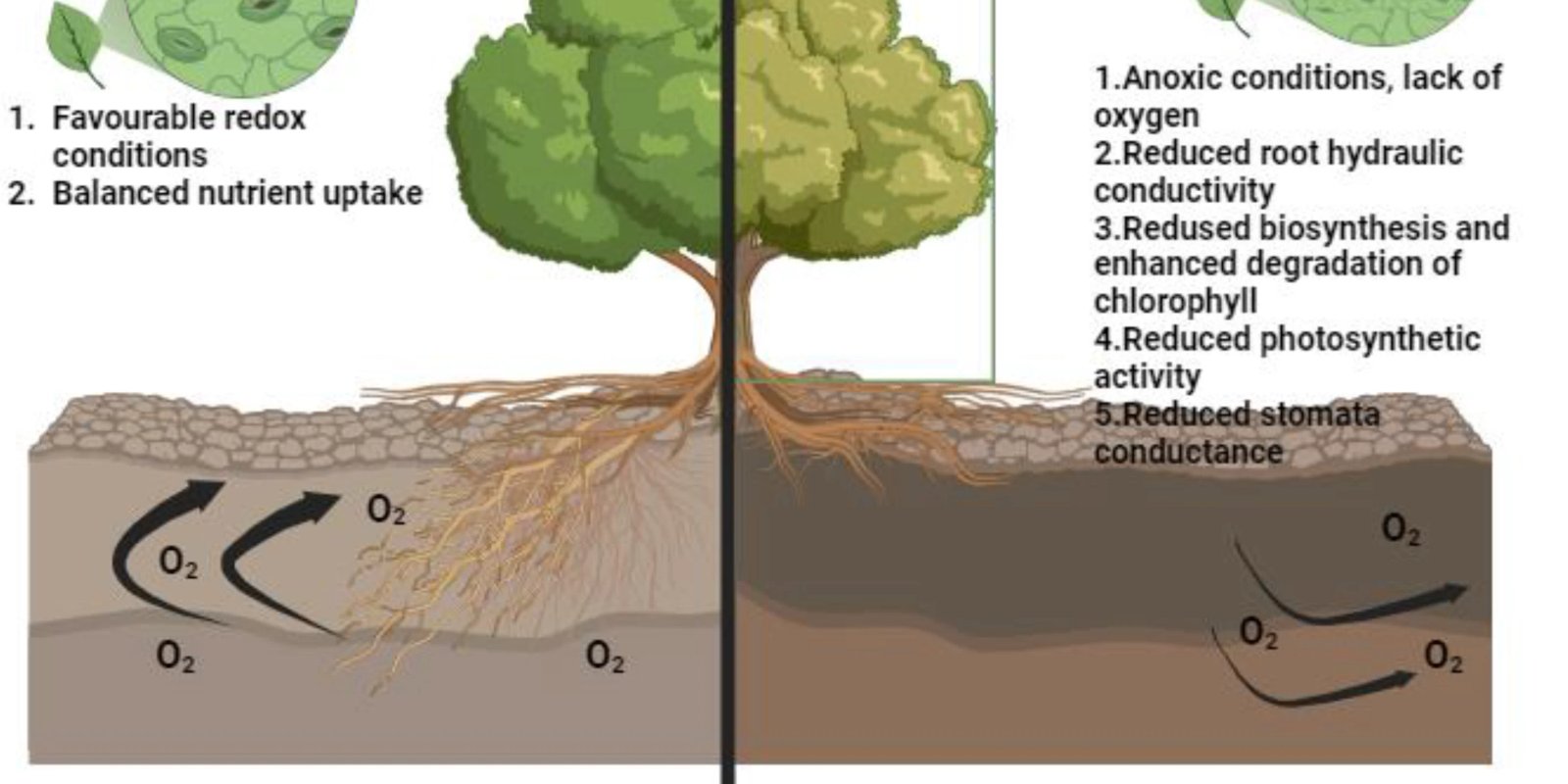
When soil becomes oversaturated, especially clay-based or shallow soils, it loses structure and strength.
This means:
roots can no longer anchor securely
the tree becomes loose at the base
strong winds easily push the tree over
even healthy trees can uproot suddenly
FNQ’s combination of heavy rain + wind gusts is the number one cause of whole-tree failures.
🪵 2. Root Rot & Fungal Issues Increase During Wet Season
Constant moisture creates the perfect environment for:
- root rot
- fungal decay
- bacterial infections
When roots begin to decay, they lose their strength, often with no obvious signs above ground until the tree begins to lean or collapse.
Species commonly affected in the Cassowary Coast:
- Rain trees
- Blue gums
- Mango Trees
- Palm trees
Bottle bush
🌪️ 3. Heavy Trees Become Even Heavier
Rainwater saturates:
- bark
- leaves
- branches
- internal wood fibres
This extra weight puts additional stress on:
- long horizontal limbs
- branches over structures
- forks and weak unions
Many limb failures occur not during storms, but in the days after a heavy rain event when trees are at their heaviest.
🌿 4. Leaning & Shifting in Soft Ground
Wet ground can cause trees to:
- lean suddenly
- shift position
- crack at the root plate
- split at the base
Once a lean develops, especially towards a house or pathway, the tree can become immediately hazardous.
Even a few degrees of movement may signal failure is imminent.
⚠️ 5. Invasive Roots Lose Grip in Saturated Soil
Some FNQ species — such as African Tulip Trees and Poincianas — have shallow, aggressive root systems.
During heavy rain, these roots can slip through the softened soil, significantly reducing stability.
This is particularly dangerous when trees are near:
- houses
- sheds
- clotheslines
- powerlines
neighbouring fences
🌴 6. Palm Trees & Tropical Species Are Not Exempt
Many people assume palms are safer — but they can also:
- uproot in waterlogged soil
- shed large fronds
- drop seed pods unexpectedly
- decay internal without obvious signs
This is common in Mission Beach and Flying Fish Point, where seasonal moisture remains in the soil for long periods.
🧰 When Should You Call a Professional?
You should have a tree assessed if you notice:
- sudden leaning
- soil uplifting
- exposed roots
- large dead limbs
- mushrooms or fungal growth at trunk
- branches hanging low after rain
- trees close to roofs or powerlines showing stress
Early assessment can prevent serious damage and reduce removal costs.
🌳 LSF Tree & Vegetation Services – Local Experts in Wet-Season Tree Safety
We specialise in identifying and managing wet-season tree hazards across:
Innisfail • Mission Beach • Tully • El Arish • Cassowary Coast • FNQ
Our services include:
Canopy reductions
Hazardous tree removal
Storm-damage clean ups
preventative pruning
Stump removal
Vegetation management
📞 Need Your Trees Checked After Heavy Rain?
We’re here to help keep your property safe.
Call Donna – 0475 578 293
LSF Tree & Vegetation Services
Local • Family-Owned • Fully Insured • Experienced in FNQ Conditions